Spotlighting 2025 Pro Bono Honorees
PSLS is built on the foundation of talented attorneys who devote their time to helping Illinois families with their civil legal issues. We spotlight the pro bono path to volunteerism and philanthropy for four of PSLS' 2025 Outstanding Community Pro Bono Attorneys. We arrive at our purpose individually and it is empowering to see what we accomplish together. More than 1,400 legal matters were worked on by pro bono attorneys in 2024, and we anticipate growth in need and in volunteer power in 2026.
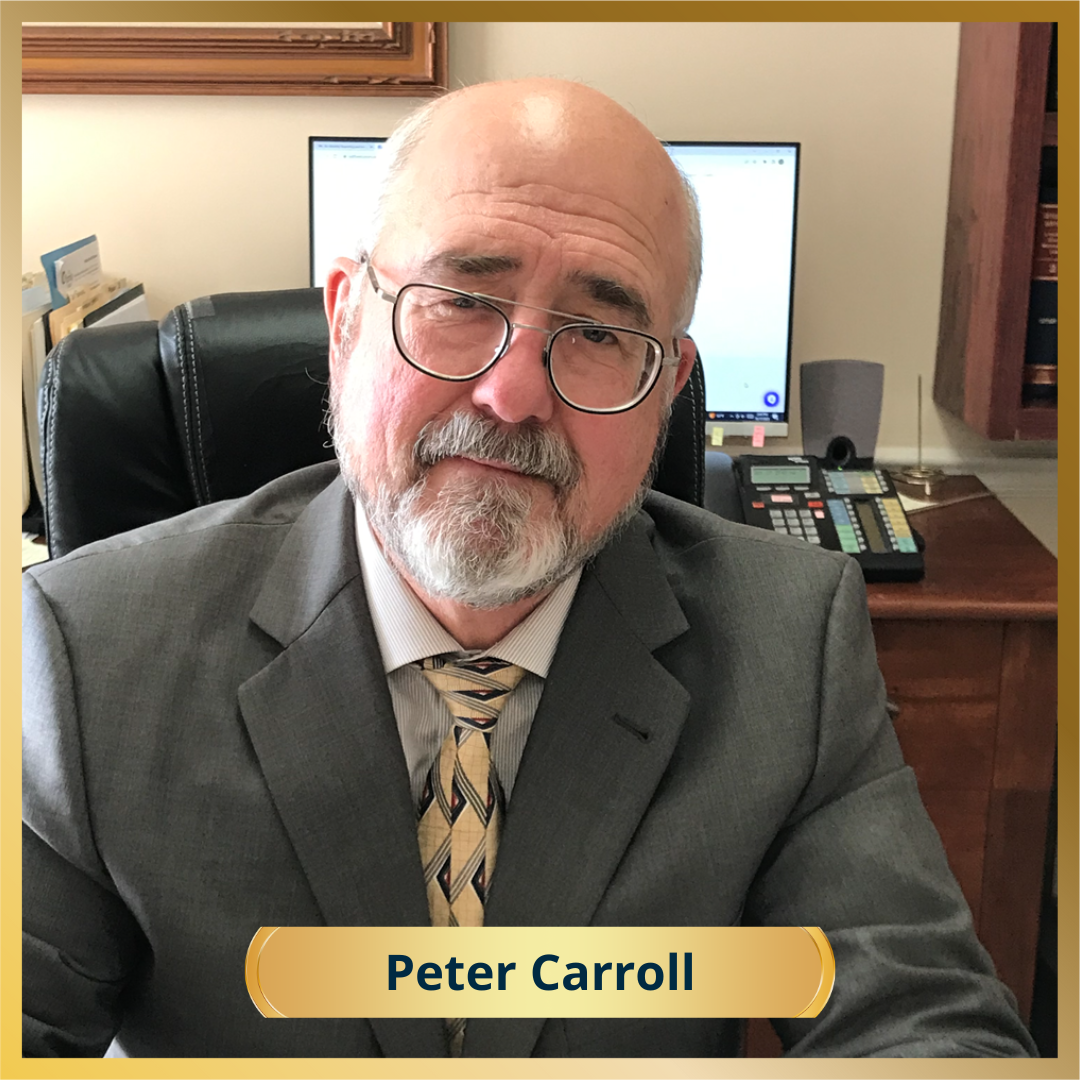
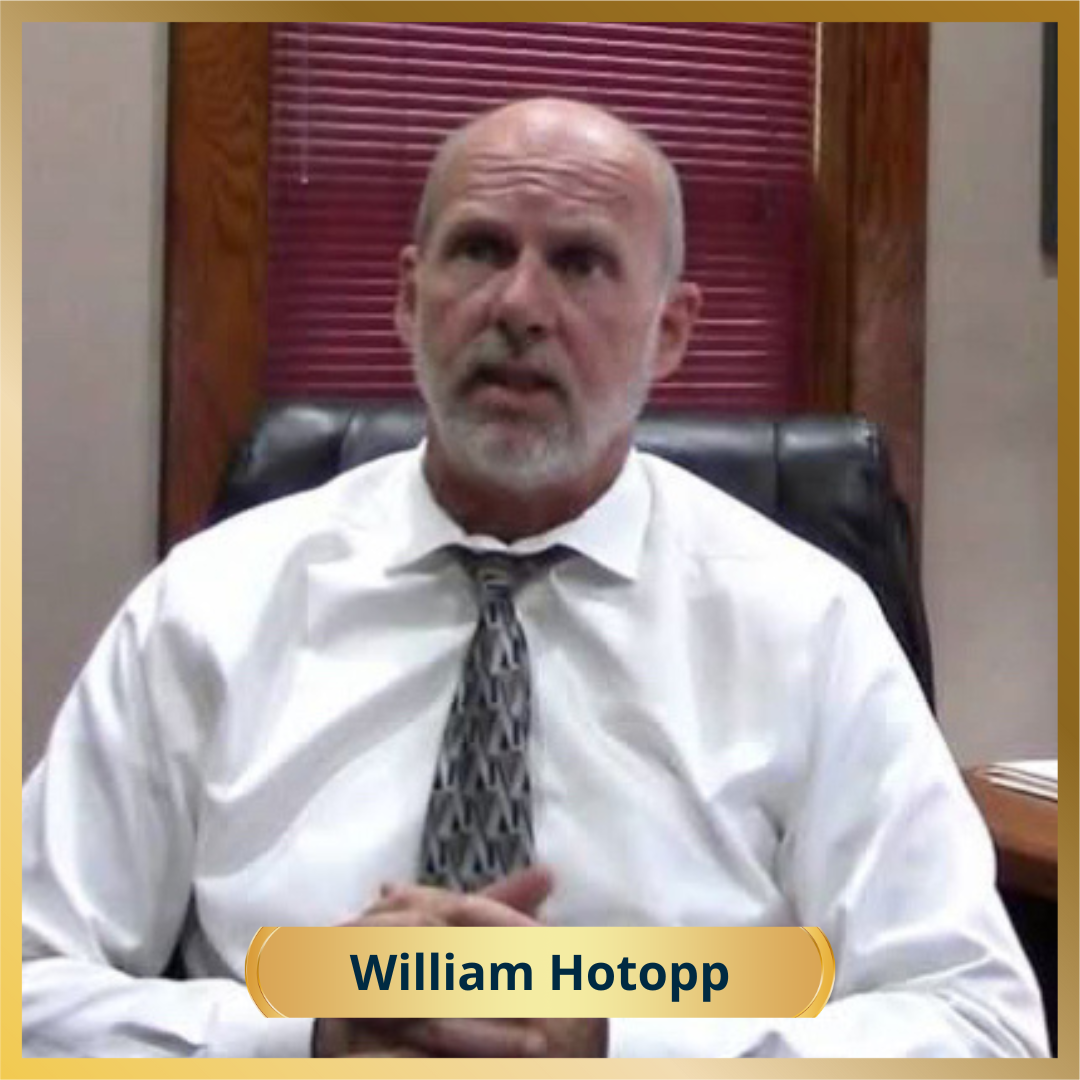
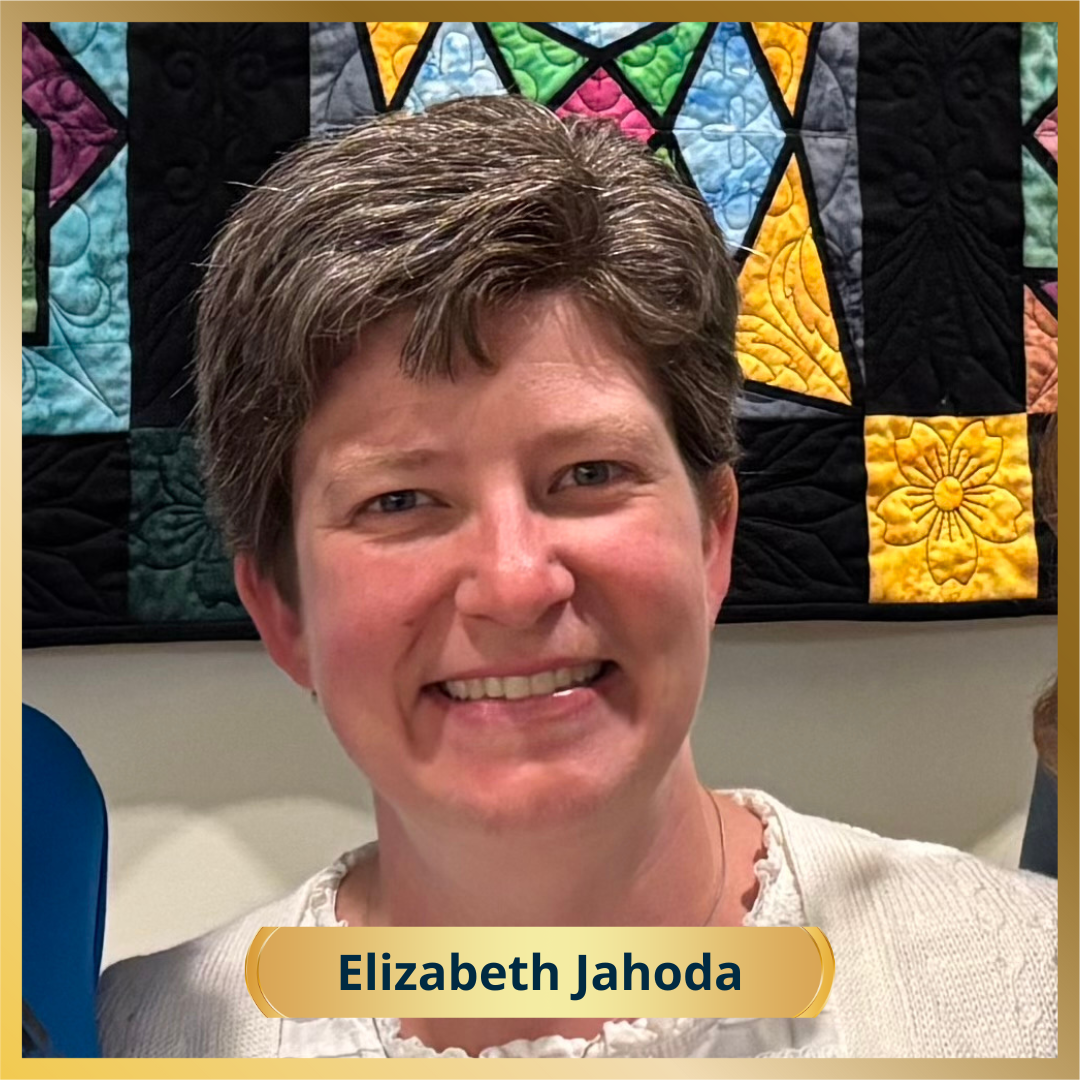
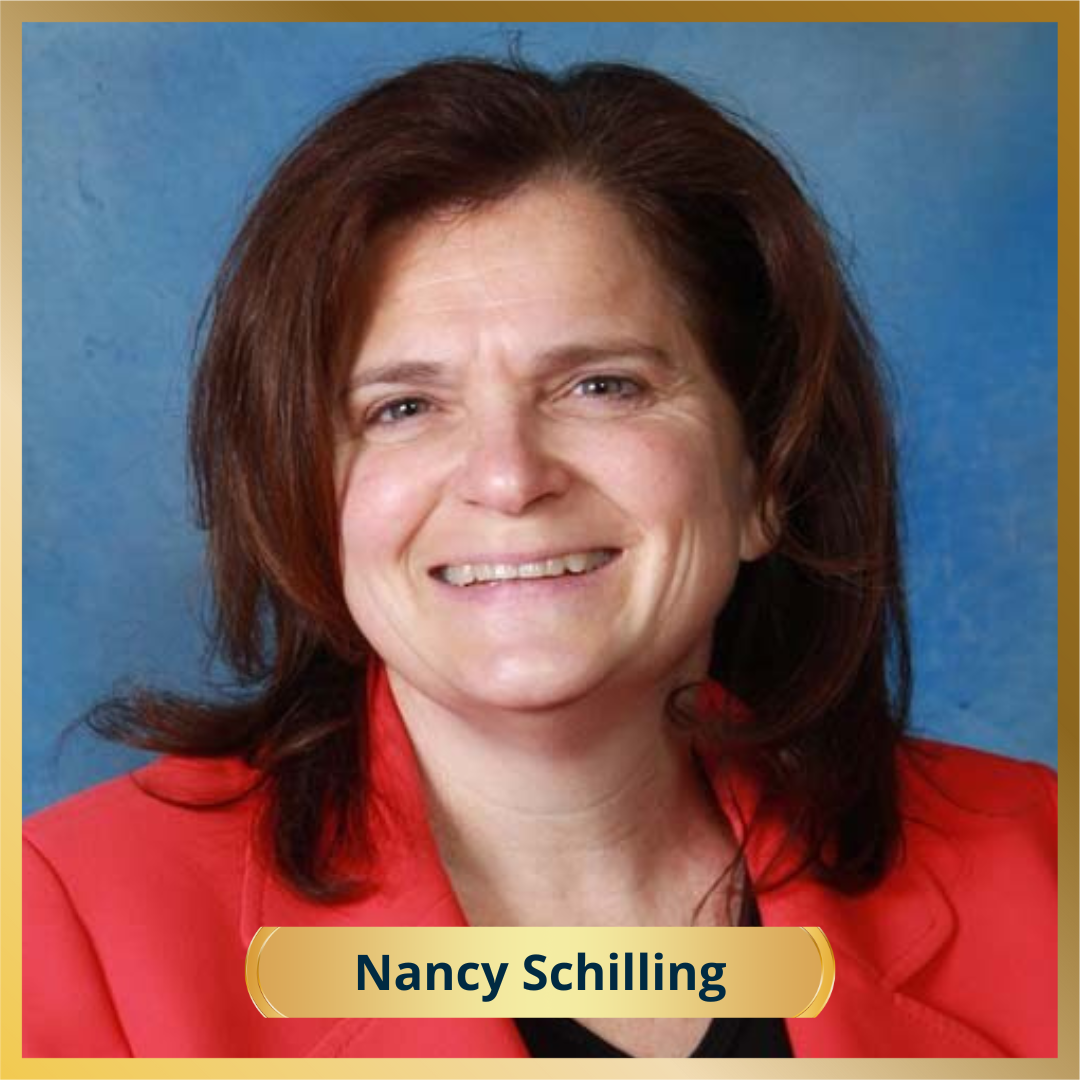
We chat with four of the 2025 Outstanding Community Pro Bono Honorees: Peter Carroll, William Hotopp, Beth Jahoda and Nancy Schilling.
PSLS: How did you come to live in Illinois and what county do you call home?
Peter Carroll, Woodstock: I was born in Woodstock, Illinois and (other than time away at college and grad school) I have lived in McHenry County all my life.
William Hotopp, Ottawa: My family is from Illinois and I returned here after graduation from Law School. I live in DeKalb County.
Beth Jahoda, West Suburban: I’m from a small town in Ohio. I moved to Chicago after law school and now live in Kane County.
Nancy Schilling, Rockford: I grew up in Boone County since fourth grade and attended Beloit College for undergrad. I worked in D.C. then was admitted to Georgetown. I decided to come back home to be closer to family because my Dad was sick. I attended the University of Wisconsin Madison for law school and then practiced at a law firm in Winnebago County for five years or so. Thereafter, I was of counsel and began my own practice 15 years ago.
PSLS: Will you describe your journey to become an attorney and how you came to be involved with PSLS?
William Hotopp: When I was younger I had the privilege in watching an attorney care for the people of my town and thought I wanted to be able to do the same, in the same caring manner. My involvement with PSLS came about by becoming friends with those who are employees of PSLS and learning the services it provides and the need for volunteer attorneys.
Nancy Schilling: My family are farmers. I came to the law to help people. You grow up on a farm, you do what you can do. I can do this. You go to school to be better and do better. For me, law is a way to help people who don't have access. I do all transactional work, so I work with people who have lots of access all the time. There are so many people who don’t have that access and there’s a big difference between having access and not. If I can fill that void by making sure somebody has the ability to have counsel and be represented, that's a big deal to me. Access in rural areas is a huge divide. In my firm work, pro bono was discussed but not practiced. After I built my own practice PSLS reached out to me. I think you got my name from the court. PSLS was having lots of real estate issues and had no one to handle them. I said sure, if you have these issues send them my way. I’m not the speediest by any means but I will get it done right. Over time more cases were referred to me and my pro bono work grew from there. They are tough sometimes to balance but each case has such a significant impact. It’s an all around good end result.
Beth Jahoda: I had a skill set for reading, analyzing texts, and making arguments. I knew law school would be a good fit for me and applied but deferred my admission. I completed undergrad in three years so my bonus year consisted of volunteering in a homeless shelter in D.C. through a program called the Lutheran Volunteer Corps. For a girl from small town Ohio it was a huge perspective shift and my world got so much bigger. I decided I wanted to practice law in a way that would help people in some shape or form. I focused on legal aid work in law school not knowing how that would play out.
After the Illinois bar, my first legal job was working at Allstate Insurance in Northbrook as a temporary contract attorney in 2005. During the Hurricane Katrina disaster this became very challenging work, and I realized I did not want to continue working at a large insurance company.
I was hired by PSLS in late 2005 in telephone counseling. It’s different now but in 2005 there were part time shifts and I’d take the train to Waukegan. I hoped for full time work and was hired a few months later as a staff attorney in the old Carol Stream office in DuPage County. I was a housing attorney among other things and spent two days a week in housing court meeting with people who were being evicted. I also did other types of cases like public benefits and foreclosures until 2010 when my youngest son was born. We moved to St. Charles and I kept my license active not knowing how, if, or when I would return to being an attorney. Although I was a stay-at-home mom, I began volunteering as I had time. I still do volunteer work that is not legal and that work is fulfilling to me in different ways. I looked at a legal adjacent nonprofit opportunity but they did not want to utilize my legal skills. I felt that was a waste of everyone's time.
During the pandemic I learned of an eviction project PSLS had that I could do over the phone and I thought this was perfect. I felt a little rusty but knew I could handle it. I was super excited about the project. It’s been a really good fit for my schedule. Some weeks I work on one case, some weeks I can do two, two and a half. It makes me feel justified in keeping and using my law license. I’m happy that I still put my attorney hat on.
Peter Carroll: I did not intend to go to law school. But when my efforts at becoming a school music teacher or an operatic singer were less than successful, I contacted my dad who suggested I needed to find another job and career. His law firm hired me as a ‘paralegal,’ and after a few weeks I thought I could take the LSAT and find out if law school was a viable option. My scores were very good, and the rest is history. As a follower of Jesus, I believe in helping out folks who have limited resources. PSLS referrals are one place where I can contribute.
PSLS: How are PSLS pro bono cases similar or different to the type of cases you work professionally?
Nancy Schilling: I do a lot of complex, high end estate planning. While I don’t see that in my pro bono work, I’m still doing the same type of work. It might not be as in depth but the probate and estate issues are the same. Issues like clients have a home and they need a deed. Or ‘my mother passed away and the house is in her name but I’ve paid all the bills and live there; how can I get the home in my name.’ That is also estate planning. Rural property issues are quite similar topics. Estate planning is often life changing for some clients, they get this home or they could become homeless.
William Hotopp: The similarities would be the need for legal assistance in the various types of domestic needs. The differences are the financial constraints PSLS clients have are more severe, and without legal assistance, PSLS clients would likely go unrepresented to their great detriment.
Peter Carroll: The family law cases I have handled for PSLS are mostly similar to the cases I have handled for ‘paying customers.’ Once in a while, a client has insisted on prolonging the litigation, having no financial incentive to cut their losses and settle the case.
Beth Jahoda: What I am doing now at PSLS in pro bono work did not exist 20 years ago at PSLS. The fact that cases can now be funneled to volunteers to keep phone lines open for more complex cases is great. I can outline what the law says and give people some next steps to take on their own. Often they are not happy that an attorney is not available to take their case, but they are happy to learn their options and know their rights. I am thrilled that this exists for clients and I hope it continues to grow. My project that I’m involved in came about during the pandemic and I hope that funding continues.
PSLS: Do you have any advice or recommendations for other pro bono volunteers across the 36 counties PSLS serves?
Beth Jahoda: The things that we think are simple or understood are often completely unknown or overwhelming to our clients. Just giving information and breaking down information for clients to help them understand the process or what the law says makes an impact. There may not be an attorney to go to court with them, so often they just have me to give them legal advice. I have found that even if I have bad news or limited options they remain so grateful for the information. In most cases I am sharing information like ‘a landlord can’t enter your home and change the locks without a court order – that is not allowed.’ Just hearing that from an attorney is so simple and it makes them feel better.
Peter Carroll: I recommend that the fact a case is being handled pro bono should never be disclosed to anyone. Clients have a right to their dignity. They should be treated like any other client. Their legal representation should be thorough and professional.
William Hotopp: I would advise to meet with the client at the beginning stage of the representation. Then fully advise the client of the expectations and required honesty as a client, the process of the matter, and possible duration of the matter.
Nancy Schilling: I encourage pro bono volunteers to actively reach out. In the beginning, you're so busy and doing what you do well. I should have been more proactive even when I didn’t have a lot of time. PSLS is great and I’ve never had any problems. PSLS’ Senior Pro Bono Coordinator, Wendy Crouch, will reach out to me, describe a case and ask if I’m OK with that. PSLS does a great job of knowing where I can jump in and knock it out. Hindsight, I wish I had been more proactive to volunteer. PSLS does a great job matching me with similar cases and I just fit that into my schedule. I don’t have to do another seminar or training, that is a great fit and an easy lift.